



Mental Health & Suicide Prevention
You Are Not Alone
We want every member — and every family member — to know that help is available, and that reaching out is a sign of strength.
Suicide Prevention: Recognizing the Warning Signs
Sometimes the hardest part is knowing when someone (or you) needs support.
Common warning signs include:
- Increased isolation, including withdrawing from friends, family or coworkers
- Talking about wanting to die or wishing they were dead
- Giving away belongings or saying goodbye
- Increased alcohol or drug use
- Extreme mood changes — anxiety, anger, agitation, hopelessness or sudden calm after a period of depression
- Missing work frequently or a noticeable drop in performance
- Expressing feelings of being a burden to others
- Expressing hopelessness
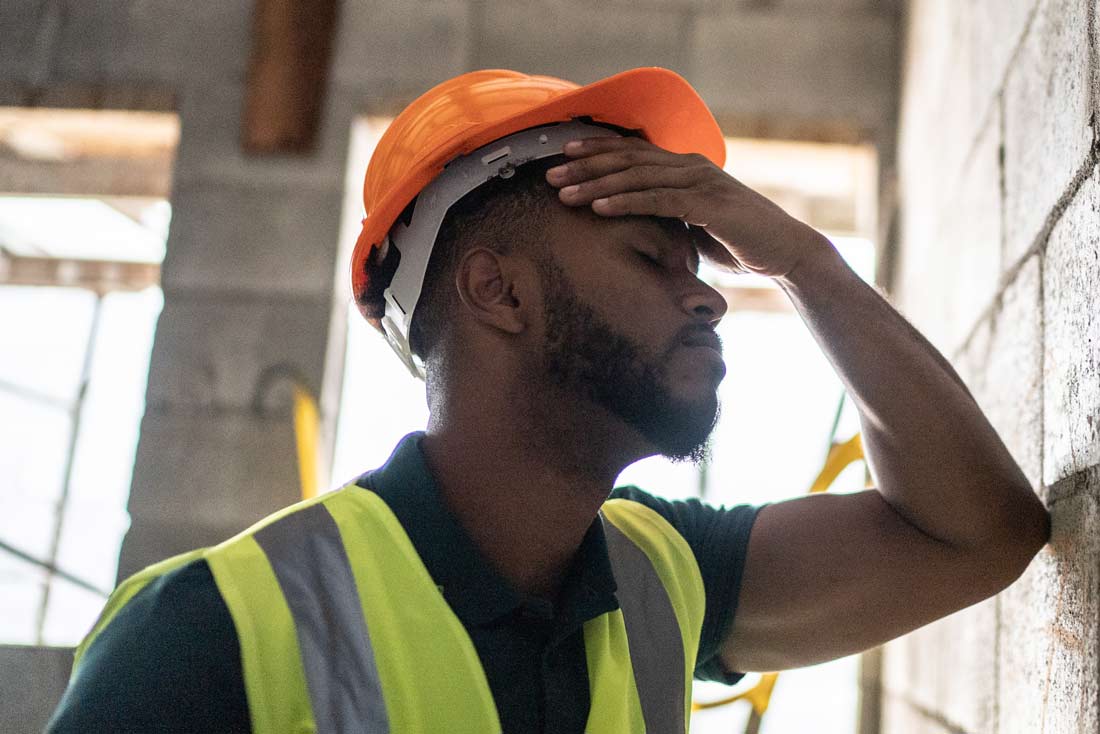
If a coworker is showing any of these signs, take it seriously.
Say something. You could save a life.
What To Do If You are Concerned About Someone
- Ask directly — It is OK to ask someone if they are thinking about suicide. Asking does not plant the idea; it opens the door.
- Listen without judgment — You do not need to have all the answers. Just being present matters.
- Stay with them — Don’t leave someone alone if you believe they are in immediate danger.
- Help them connect — Offer to sit with them while they call a crisis line or help them get to a professional.
- Follow up — Check in after the conversation. Let them know they matter to you.
Crisis Resources


Available 24/7, the Veterans Crisis Line offers confidential crisis support for veterans and their loved ones. You do not have to be enrolled in VA benefits or health care to connect.
Construction Industry Resources
The following organizations provide targeted support for workers in the trades:

Construction Industry Alliance for Suicide Prevention (CIASP)
Resources, toolbox talks and training specifically for construction workers and employers.

The Center for Construction Research and Training (CPWR)
The Center for Construction Research and Training (CPWR) was designed to help construction workers and employers quickly find information on suicide prevention.
The Considerations Program (IBEW)
Contact the IBEW Local 71 Union Hall for details on the IBEW’s national member assistance program, which connects members to confidential counseling and support.
Taking Care of Yourself
Mental health is health. There is no shame in struggling, and there is no weakness in asking for help. Here are a few ways that can make a difference:
- Talk to someone you trust — a partner, a coworker, a friend, a pastor or a counselor.
- Limit alcohol — It can amplify depression and anxiety, even when it feels like it helps in the moment.
- Stay connected — Isolation makes everything harder. Show up to union meetings, events and other Local 71 gatherings.
- Seek professional support — Therapy and counseling are tools, just like any other tool on the job. Use them.
- Know your EAP benefits — Your health plan may include free, confidential mental health sessions. Contact the union hall to learn what is available to you.
Mental Health for Family Members
Spouses, partners, children, and parents of our members also carry burdens.
If you are worried about your loved one, trust your instincts. The resources on this page are available to families as well as members. You do not have to navigate this alone.
Contact the IBEW Local 71 office and we will connect you with the right support.
IBEW Local 71 is committed to the health, safety, and dignity of every member. If you have suggestions for resources to add to this page, please contact the hall.